
Arcadia Publishing
The Pit
Couldn't load pickup availability
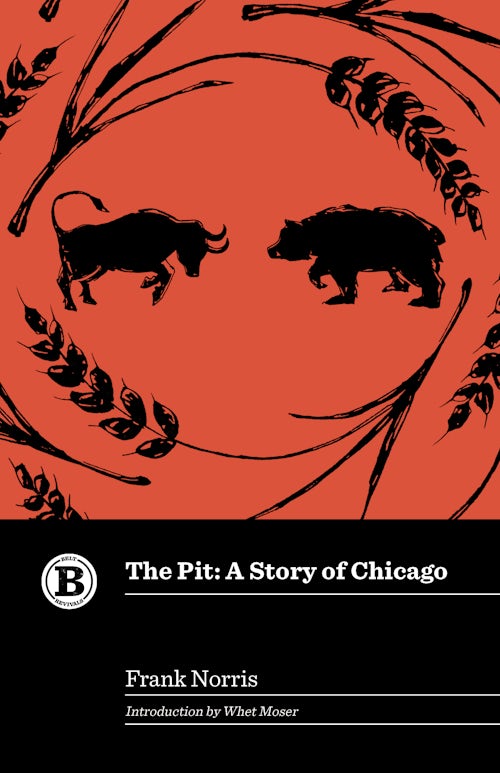
Financial ambition, a tortured marriage, and an American city on the rise are brilliantly depicted in Frank Norris’ 1903 masterpiece. Curtis Jadwin is obsessed with speculating on the market, manipulating it so he can control the nation’s wheat supply. He neglects his wife, Laura, who seeks refuge in the arts, and in particular one artist, Sheldon Corthell. The Jadwin’s wealth buys them a mansion on Lincoln Park with an art gallery that strangers gawk at, but inside they struggle. And is Jadwin’s gambling sustainable, or is there a bear market in his future?
Curtis and Laura play out this American Dream scenario in the streets of Chicago, where they attend the opera at the Auditorium Building, visit the new art museum on the lake, and, from the comfort of their carriage, watch the trains and grain elevators. At the Board of Trade, in the pit, men yell and knock against each other, performing the theater of capitalism in front of an always crowded visitor’s gallery.
Few novels depict the struggles of marriage, the world of finance, or the rise of Chicago from the flatlands of the Midwest, as viscerally as this novel, originally published in 1903. Norris’s novel may immerse readers in a historic setting, but it’s punishing and profound themes are anything but dated.
This Belt Revivals edition features archival photographs and an introduction by Whet Moser.