
Belt Publishing
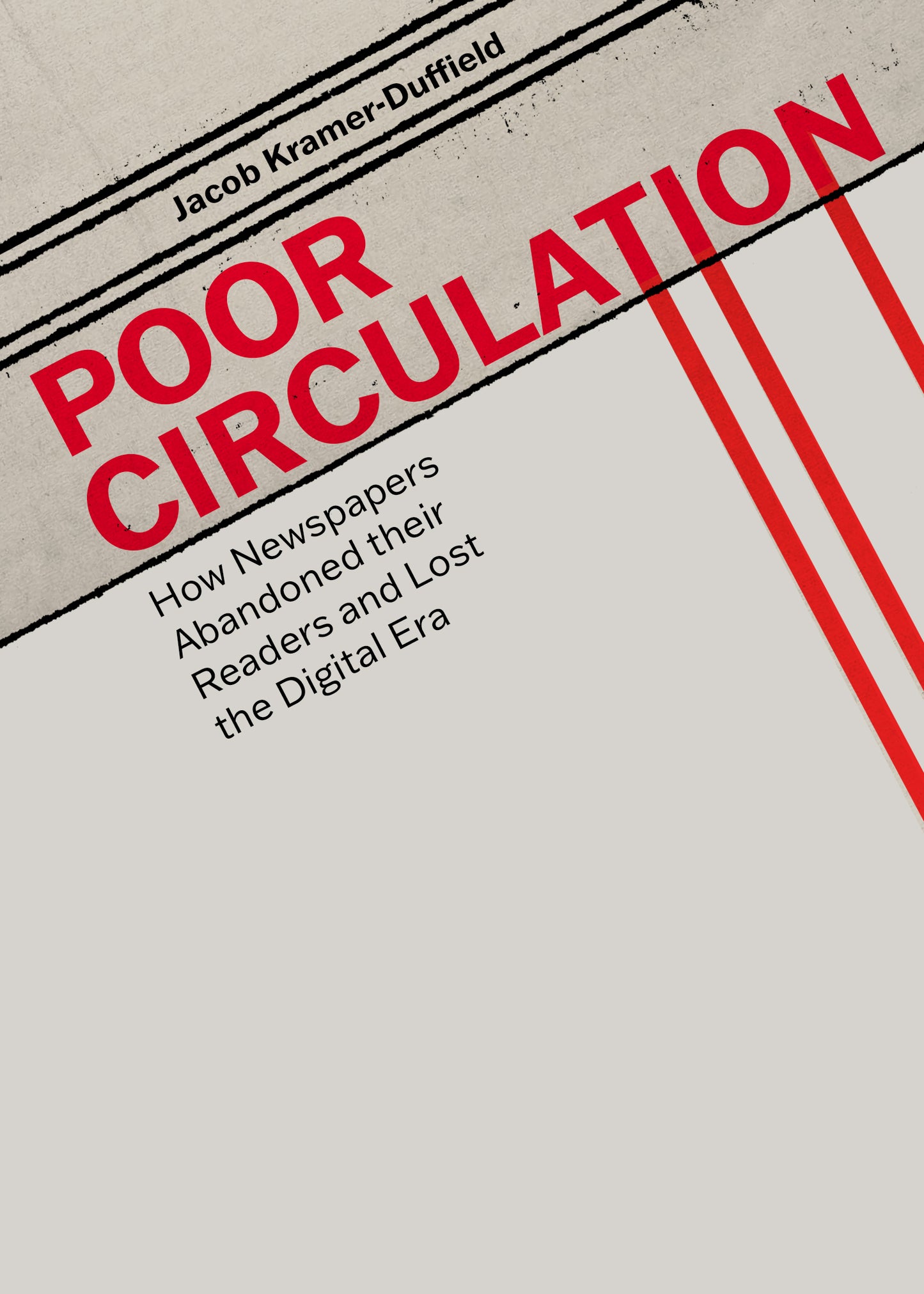
Poor Circulation: How Newspapers Abandoned their Readers and Lost the Digital Era
Couldn't load pickup availability
Jacob Kramer-Duffield
February 2, 2027
The newspaper industry is in dire straits. It could have been avoided.
Once important enough to be protected explicitly by the first amendment, newspapers today are on the way to becoming obsolete. Readership in the United States falls steadily while more and more city papers close or get bought out by vulturous venture capital or solo billionaires.
We are all familiar with the standard accounts that view this shift as woeful but inevitable—the internet came and changed the rules at lightning speed, leaving newspapers as victims. Others exhort the need for the general public to reignite their interest in the news as a civic duty, putting the blame on them for papers’ declining profits.
As Jacob Kramer-Duffield writes, it was, in fact, the newspapers who abandoned their readers.
Newspaper owners have a long history of disregard toward their readership, from the time when papers were hereditary monopolies to the eras of papers going public and conglomeration. Choice after choice—to downsize circulation departments, to value advertisers over subscribers, to ignore the threat of online classifieds—taught local audiences to devalue the product newspapers were selling.
Newspapers are vital to democracies, and they are for all of us. By carefully attending to what has gone wrong, we can begin to envision a future where newspapers can finally become robust local resources instead of continuing to wage a losing battle in the attention economy.